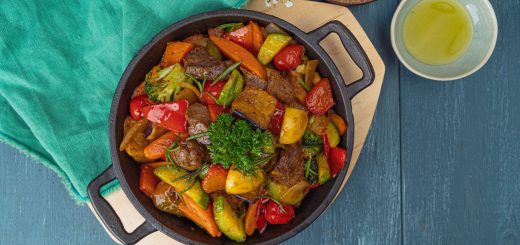
Understanding Different Types of Fats for Health and Better Cooking
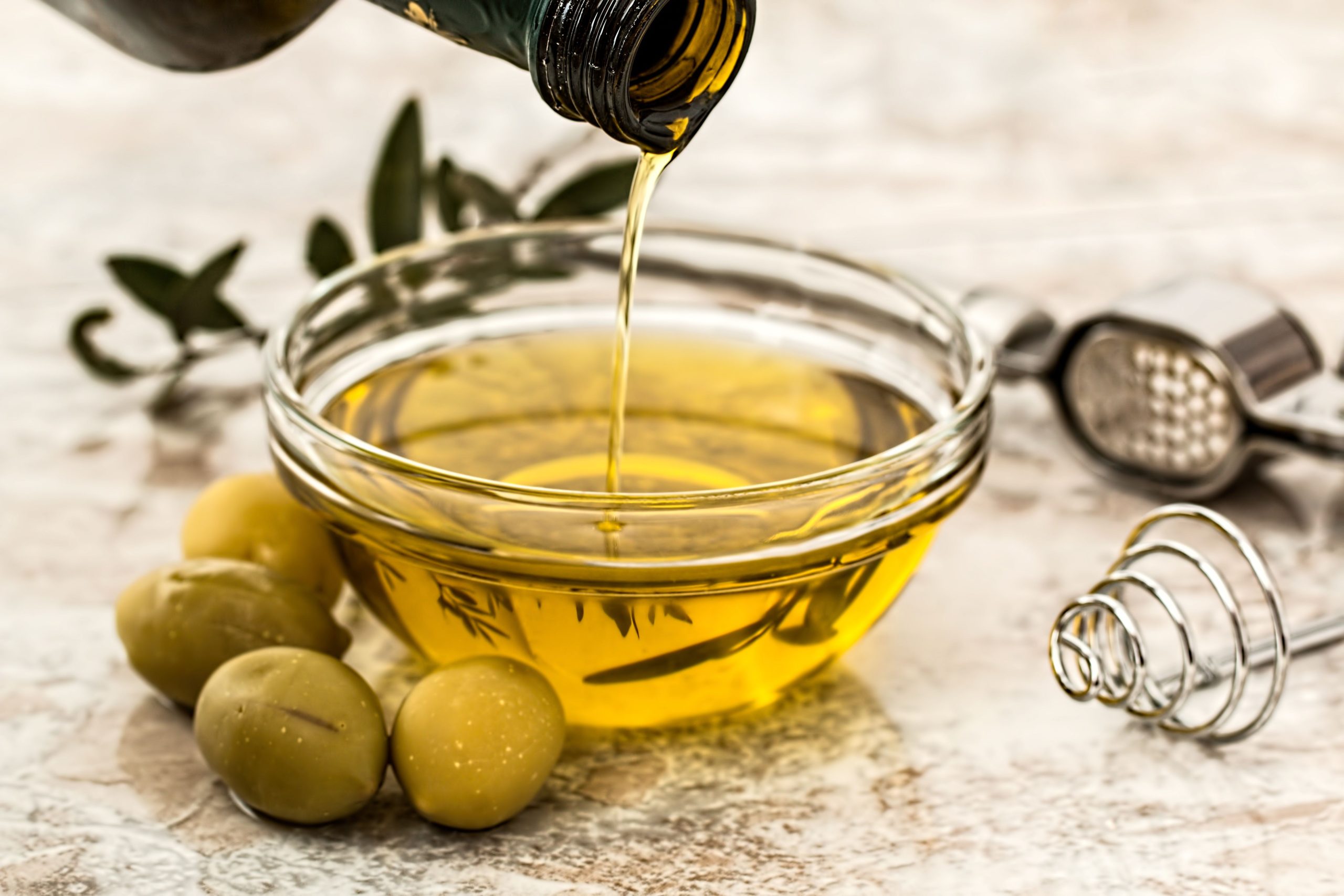
Fat is an essential nutrient that provides energy, helps absorb vitamins, supports brain function and hormone production. Choosing foods with healthy fats can also help lower your risk of heart disease. The key is not eliminating fat, but choosing the right types and using them appropriately in the kitchen.
Understanding which fats are healthiest and how they perform during cooking can help you prepare meals that are both delicious and support your health.
Why Fat Matters
Dietary fat plays several important roles in the body. Healthy fats:
- Provide a concentrated source of energy
- Help absorb vitamins A, D, E and K
- Support hormone production
- Promote healthy skin and brain function
However, not all fats are created equal. Some fats offer significant health benefits, while others should be limited. Therefore, replacement, not elimination of fat matters.
Understanding Different Types of Fat
Unsaturated Fats: The Heart-Healthy Choice
Unsaturated fats are considered beneficial for overall health and are linked with a lower risk of heart disease. Heart disease is 1 of the leading causes of death in Canada. Unsaturated fats are divided into two categories:
Monounsaturated Fats
Good sources include:
- Olive oil
- Canola oil
- Avocados
- Almonds
- Cashews
- Peanuts
- Peanut butter
Polyunsaturated Fats
Polyunsaturated fats include omega-3 and omega-6 fatty acids, which are essential because the body cannot make them.
Healthy sources include:
- Salmon
- Trout
- Sardines
- Walnuts
- Chia seeds
- Flaxseeds
- Soybeans
Saturated Fats: Limit
Saturated fats are found mainly in animal products and certain tropical oils.
Health Canada recommends to limit the amount of foods containing saturated fat, such as:
- processed meats
- canned coconut milk or cream
- some frozen desserts like ice cream
- bakery products such as cookies and cakes
- most deep-fried foods, like French fries
- candy bars, chocolate and chocolate coated treats
When preparing foods, Heath Canada also recommends trying to limit the amount of saturated oils and fats like:
- Lard
- Ghee
- Butter
- Hard margarine
- Coconut oil
- Palm oil
Therefore, limit intake and replace saturated fats with healthy unsaturated fats whenever possible.
Choosing the Right Fat for Cooking
Different oils have different smoke points, which is the temperature at which they begin to break down and produce undesirable compounds. Matching the fat to the cooking method helps preserve flavour and nutritional quality.
Extra Virgin Olive Oil
Best for: Salad dressings, sauteing, roasting and low-to-medium-heat cooking.
Extra virgin olive oil is rich in monounsaturated fats and antioxidants. It is a cornerstone of the Mediterranean diet and has been associated with improved heart health.
Canola Oil
Best for: Baking, roasting, stir-frying and general cooking.
Canola oil contains a favorable balance of monounsaturated fats and omega-3 fatty acids, making it a versatile option for everyday use.
Avocado Oil
Best for: High-heat cooking, grilling and searing.
Avocado oil has one of the highest smoke points among cooking oils and provides heart-healthy monounsaturated fats.
Peanut Oil
Best for: Stir-frying and Asian-inspired dishes.
Its mild flavor and high smoke point make peanut oil suitable for cooking at higher temperatures.
Sesame Oil
Best for: Finishing dishes and adding flavor.
Sesame oil contributes a rich, nutty taste and works particularly well in dressings and marinades. It’s suitable for medium-heat cooking.
Flaxseed Oil
Best for: Salad dressings and drizzles
Avoid heating flaxseed oil as it has a low smoke point and will degrade quickly.
Practical Tips for Healthier Cooking
Use liquid oils instead of solid fats
- Replace butter, shortening or lard with healthy fats such as olive, canola or avocado oil whenever possible.
Reduce the amount of saturated fat in your meals by choosing:
- Leaner cuts of meat like sirloin instead of higher fat meats like rib eye steak.
- Lower fat dairy products like lower fat milk instead of higher fat dairy products like cream.
- Protein foods with healthy fats like fish and shellfish instead of higher fat meats.
Add nuts and seeds to meals
- Sprinkle walnuts, almonds, chia seeds or ground flaxseeds onto yogurt, oatmeal, salads or smoothies for extra nutrition.
Read food labels
- Compare the nutrition facts table on foods to choose products that are lower in sodium, sugars or saturated fat.
Bottom Line: A Balanced Approach
Healthy eating does not mean avoiding fat. Instead, focus on choosing healthy fats that support your overall health and complement your cooking methods. Swapping saturated fats for unsaturated fats, enjoying a variety of plant-based sources and using oils wisely can help create meals that are satisfying, flavorful and nutritious.