Protein: How Much Do You Really Need, Which Types Are Best and Simple Ways to Get Enough
Protein is an essential nutrient that plays a critical role throughout every stage of life. Whether your goal is maintaining muscle, supporting healthy aging, managing your weight, recovering from exercise or simply eating a balanced diet, getting enough high-quality protein matters. But many people may question: How much protein do I actually need? What are the healthiest sources? Am I getting enough? Read on to learn more!
Why Is Protein So Important?
Protein is made up of building blocks called amino acids, which are used by the body to support many important functions, including:
- Building and maintaining muscles
- Repairing tissues after injury or exercise
- Supporting healthy bones
- Producing enzymes and hormones
- Maintaining healthy skin, hair and nails
- Supporting immune function
- Promoting feelings of fullness after meals
Adequate protein intake becomes increasingly important during periods of illness, recovery from surgery, healthy aging, as well as for weight management and athletic performance.
How Much Protein Do You Need?
The Institute of Medicine recommends healthy adults require 0.8 grams of protein per kilogram of body weight per day (g/kg/day)
What Does That Look Like?
For someone weighing:
- 60 kg (132 lb): 48 g/day
- 70 kg (154 lb): 56 g/day
- 80 kg (176 lb): 64 g/day
While these recommendations are for healthy adults, a growing body of evidence suggests the 0.8 g/kg/day recommendation may not be optimal for everyone, as higher intakes can help to promote healthy aging, weight management and athletic performance.
Higher protein may better support healthy aging by helping preserve muscle mass and strength. For athletes higher protein has been show to help maximize muscle repair, building and growth, particularly when combined with resistance training.
Higher protein intakes may also:
- Improve satiety (helping you stay full longer)
- Support weight management by leading to greater reductions in body weight and fat mass compared with standard protein diets
- Reduce age-related muscle loss (sarcopenia)
- Improve recovery following illness, injury or surgery
As always, it’s important to consult your healthcare professional to determine appropriate individual protein requirements.
Does It Matter What Type of Protein You Eat?
Yes. Both animal-based and plant-based proteins can contribute to a healthy diet.
Protein is made up of building blocks called amino acids. There are 20 different amino acids, with 9 of these amino acids considered ‘essential’, meaning they must come from food as your body cannot synthesize them on its own. The other 11 amino acids your body can produce.
Animal Proteins
Animal proteins are considered complete proteins, meaning they naturally contain all 9 essential amino acids in sufficient amounts.
Examples include:
- Fish
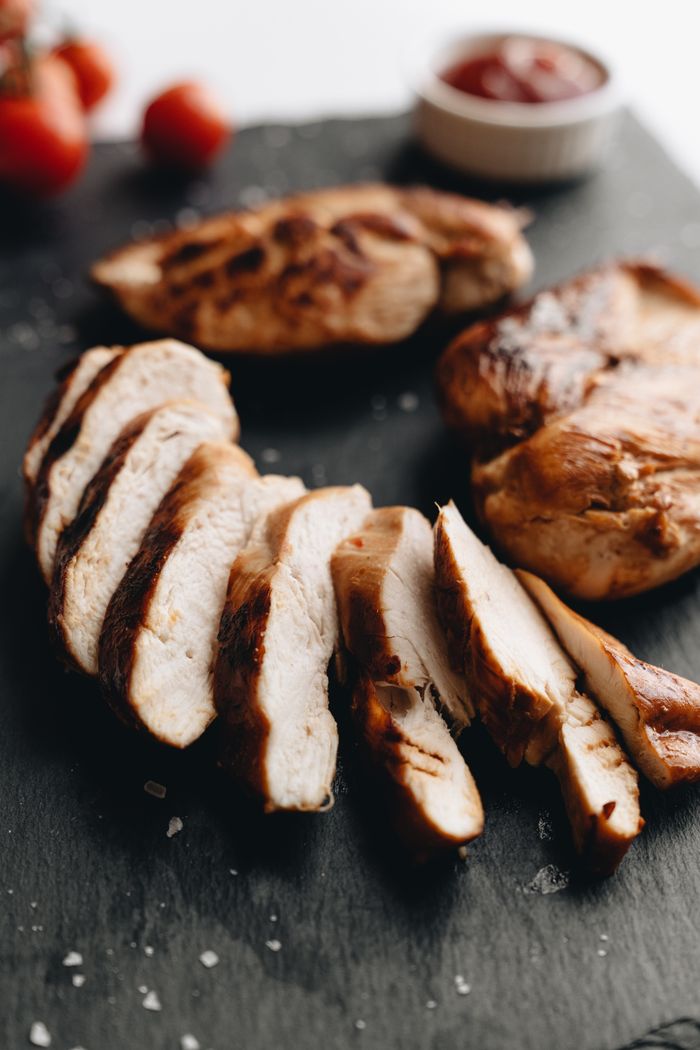
- Chicken and turkey
- Lean beef and pork
- Eggs
- Milk
- Yogurt
- Cheese
These proteins are generally deemed high quality, highly digestible and effective for supporting muscle protein synthesis.
Plant Proteins
Plant proteins provide protein while also delivering fibre, vitamins, minerals and beneficial plant compounds.
Excellent choices include:
- Lentils
- Chickpeas
- Beans
- Soybeans
- Tofu
- Fortified soy beverages
- Nuts
- Seeds
- Quinoa
Although some plant proteins are either too low in, or may not contain one or more essential amino acids, thus making them lower quality incomplete proteins, the key is eating a variety of plant protein foods throughout the day to easily provide all the amino acids your body needs.
Canada’s Food Guide encourages Canadians to try to choose protein foods that come from plants every day. Plant-based protein foods can provide more fibre and less saturated fat than other types of protein foods. This can be beneficial for your heart health.
When Should You Consume Protein?
Rather than consuming most of your protein at dinner, research suggests it is beneficial to spread protein intake more evenly throughout the day. Including protein with each eating occasion has been shown to improve appetite control, satiety and weight management.
Furthermore, breakfast is the meal that generally contains the least protein, so including a high-quality protein source at breakfast in a simple approach to increase intake in older adults and has also been shown to decrease unhealthy snacking behaviour in younger individuals.
For example:
Breakfast
- Greek yogurt with berries and nuts
- Eggs on whole grain toast
- Cottage cheese with fruit
Lunch
- Chicken salad
- Lentil soup with whole grain bread
- Tofu stir-fry
Dinner
- Baked salmon
- Lean beef with vegetables
- Chickpea curry
Snacks
- Cottage cheese
- Hummus with vegetables
- Milk
- Hard-boiled eggs
How Can You Tell If You’re Getting Enough Protein?
Most Canadian adults easily meet recommended protein intakes without difficulty. However, some groups are at greater risk of inadequate intake, including:
- Older adults
- Vegetarians or vegans with poorly planned diets
- People recovering from illness or surgery
- Those following restrictive diets
A Simple Protein Check
A quick way to estimate your protein intake is to keep a food record for 2–3 days.
Write down:
- What you eat
- Portion sizes
- Approximate protein content
Common foods contain approximately:
| Food | Average Protein |
| 175 mL (3/4 cup) Greek yogurt | 17 g |
| 2 large eggs | 12 g |
| 75 g (2 ½ oz) cooked chicken or turkey | 23 g |
| 75 g (2 ½ oz) cooked fish | 18 g |
| ¾ cup cooked beans, peas, lentils | 12 g |
| 50 g cheese (1 ½ oz) | 12 g |
| ½ cup cottage cheese | 13 g |
| 1 cup (250 mL) milk | 9 g |
| 175 mL (3/4 cup) firm tofu | 12 g |
| 1 cup (250 mL) fortified soy beverage | 7 g |
| 60 mL (1/4 cup) almonds | 8 g |
| 60 mL (1/4 cup) pumpkin seeds | 17 g |
| 30 mL (2 Tbsp) peanut butter | 7 g |
| 125 mL (1/2 cup) cooked pasta or quinoa | 4 g |
Compare your estimated daily intake with your personal protein requirement.
Easy Ways to Increase Your Protein Intake
If you’re falling short, small changes can make a big difference.
Try these ideas:
- Include a protein source at every meal.
- Replace sugary snacks with Greek yogurt or cottage cheese.
- Add beans or lentils to soups, salads, pasta and chili.
- Add tofu to stir-fries and grain bowls.
- Sprinkle nuts and seeds on oatmeal, yogurt or salads.
- Choose milk or fortified soy beverages instead of sugary drinks.
- Include eggs as a quick breakfast or snack.
- Keep canned tuna, salmon or beans on hand for easy meals.
The Bottom Line
Protein is essential for good health throughout life. While the recommendation for healthy adults is 0.8 g/kg/day, higher protein intakes can help promote healthy aging, weight management and athletic performance.
Choosing a variety of protein-rich foods, including both plant and animal-based options, spreading protein throughout the day and aiming to include protein at every meal can help support muscle health, recovery, satiety and overall well-being.
As always, speak with your healthcare professional to determine appropriate personal protein requirements for you.