
The Importance of Iron for Females: Why This Essential Mineral Matters at Every Stage of Life
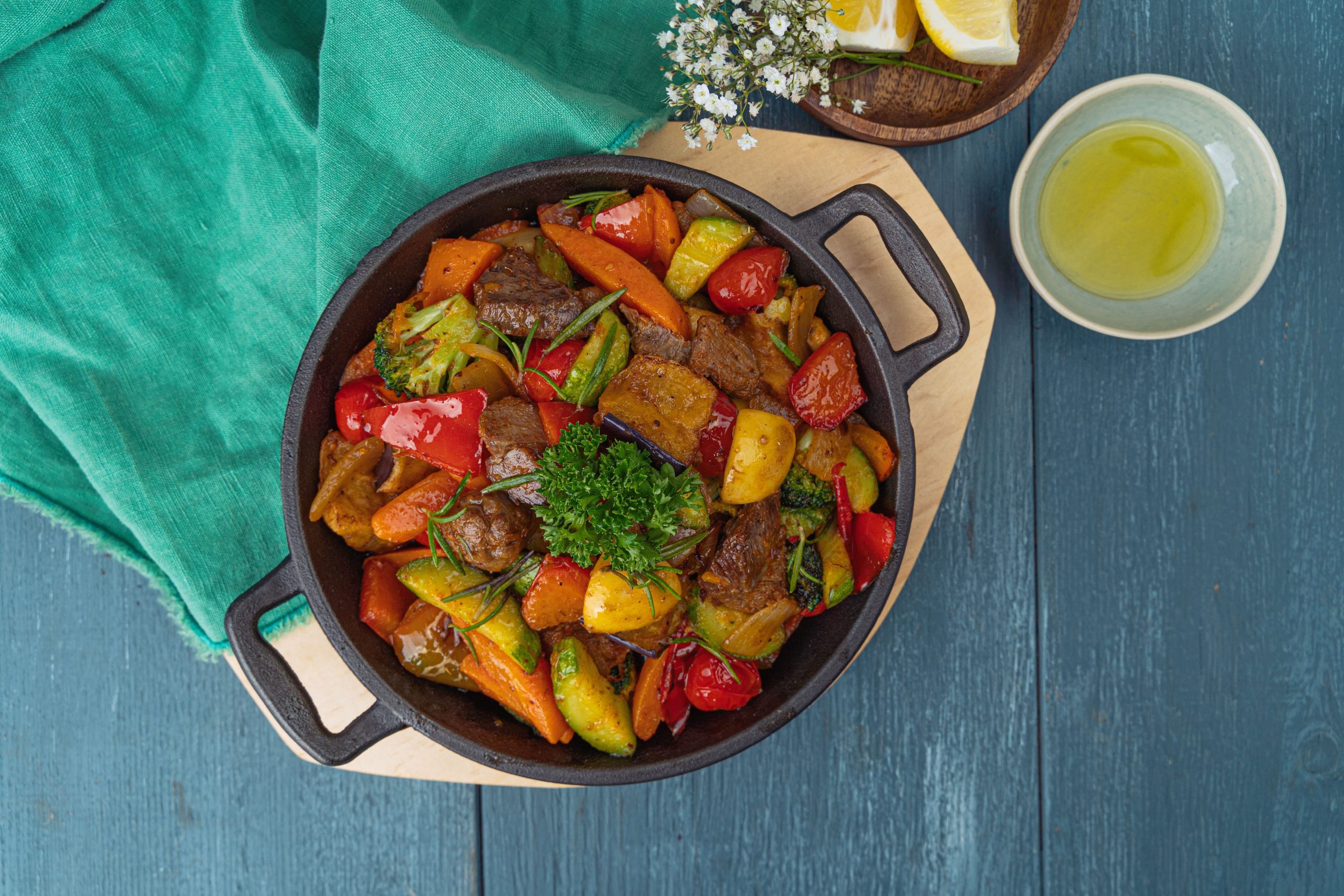
Iron is one of the most important nutrients for women’s health, yet iron deficiency remains one of the most common nutritional concerns worldwide. From supporting energy levels to helping transport oxygen throughout the body, iron plays a critical role in keeping the body functioning properly. Understanding why iron matters and how to meet your daily needs can help women maintain their health throughout every stage of life.
What Is Iron?
Iron is an essential mineral necessary for good health. It helps produce hemoglobin; a protein found in red blood cells. Hemoglobin carries oxygen from the lungs to the rest of the body, allowing tissues and organs to function efficiently. Iron is also involved in immune health, brain health, and energy production.
Without enough iron, the body cannot effectively deliver oxygen from the lungs to tissues and muscles, leading to fatigue, weakness and iron deficiency anemia.
Why Are Women More Likely to Need Iron?
Women generally have higher iron requirements than men due to blood loss during menstruation. Certain stages of life can further increase iron needs, such as:
- Adolescence
- Heavy menstrual periods
- Pregnancy
Health Canada recommends different daily iron intakes based on age and whether you are pregnant or breastfeeding. Women aged 19 to 50 require 18 milligrams of iron per day, while women over the age of 50 need 8 milligrams daily. During pregnancy, iron requirements increase to 27 milligrams per day.
Signs of Iron Deficiency
Iron deficiency can develop gradually and may cause symptoms such as:
- Fatigue and low energy
- Weakness
- Pale skin
- Shortness of breath
- Frequent headaches
- Dizziness
- Difficulty concentrating
- Brittle nails
- Feeling cold more often
Because these symptoms can be subtle, many women may not realize they have low iron levels. A healthcare professional can diagnose iron deficiency through blood tests.
Best Food Sources of Iron
Iron is found in two forms: heme iron and non-heme iron.
Heme Iron
Heme iron is found in animal foods and is more easily absorbed by the body. Good sources include:
- Lean beef
- Chicken and turkey
- Fish and seafood
- Liver and organ meats
Non-Heme Iron
Non-heme iron is found in plant foods and fortified products. Good sources include:
- Lentils
- Beans and chickpeas
- Tofu and tempeh
- Spinach and kale
- Pumpkin seeds
- Quinoa
- Iron-fortified cereals
- Dried apricots and raisins
Women following vegetarian or vegan diets may need to pay extra attention to their iron intake because plant-based iron is less readily absorbed. In fact, the recommended iron intake for vegetarians is 1.8 times higher than for people who eat meat. This is due to the fact that heme iron from meat is more bioavailable than non-heme iron from plant-based foods.
How to Improve Iron Absorption
To help improve the absorption of non-heme iron from foods, eat them at the same time as foods with heme iron or add a food high in vitamin C to the same meal. Fruits and vegetables are good sources of vitamin C so adding foods such as sweet peppers, strawberries, kiwi, citrus fruits and juices such as orange, lemon or grapefruit can help your body absorb more non-heme iron.
For example:
- Add strawberries to iron-fortified cereal
- Pair lentil soup with a tomato salad
- Squeeze lemon juice over spinach or kale
Certain substances can interfere with iron absorption, including:
- Tea and coffee
- Calcium supplements
- Large amounts of dairy products consumed with iron-rich meals
To maximize absorption, consider enjoying tea or coffee between meals rather than alongside them. As well, if you take calcium supplements or dairy space them at least 1 to 2 hours apart from iron-rich meals or iron supplements.
Iron During Pregnancy
Iron requirements increase during pregnancy because the body needs to support the developing baby and increased blood volume. Adequate iron intake helps reduce the risk of anemia, premature birth, and low birth weight.
Prenatal vitamins often contain iron, but supplementation should always be discussed with a healthcare provider to ensure the correct dosage.
Should You Take an Iron Supplement?
Iron supplements can be beneficial for women with diagnosed iron deficiency, but they should not be taken unnecessarily. Too much iron can be harmful and may cause digestive issues such as constipation, nausea, or abdominal discomfort.
Before starting a supplement, it is always important to consult a healthcare professional and have iron levels assessed through appropriate blood tests.
The Bottom Line
Iron is an essential nutrient that supports energy, oxygen transport, and overall health. Because women have unique nutritional needs, paying attention to iron intake is especially important. Eating a balanced diet rich in iron-containing foods and combining them with vitamin C sources can help maintain healthy iron levels and prevent deficiency.
If you experience persistent fatigue or other symptoms associated with low iron, speak with your healthcare provider. Early detection and proper nutrition can make a significant difference in maintaining long-term health and well-being.


