
Eating Well on a Budget
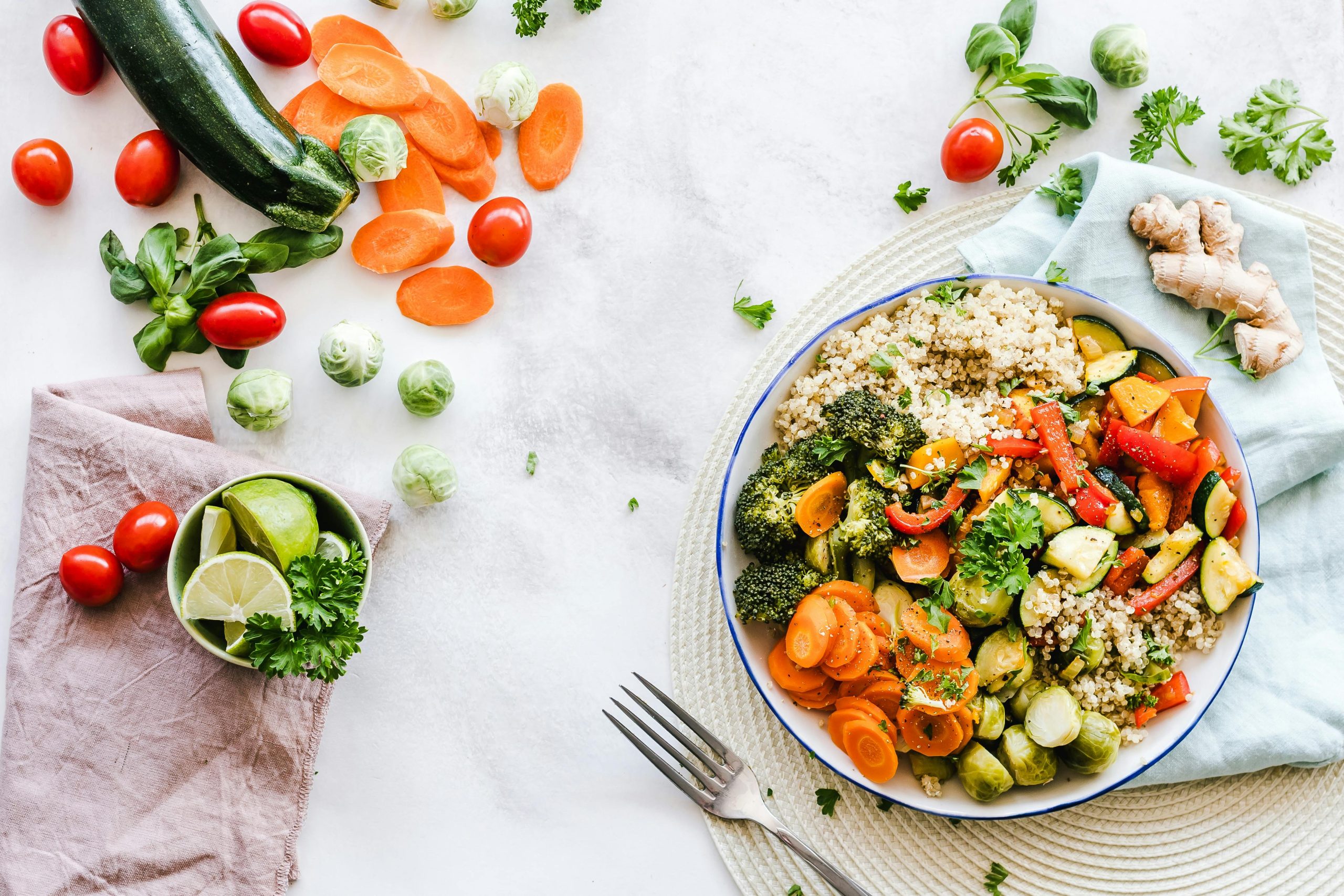
Eating healthy doesn’t have to mean spending more or that you need to give up on making healthy choices. In fact, even with rising food costs you can still enjoy healthy eating. It just takes a little planning and strategy. Read on to learn how to eat healthily on a budget.
Plan first, spend later
- Healthy eating on a budget starts before you even step into the store.
Stick to your grocery list
- Creating a list will help you avoid impulse purchases.
Shop for sales
- Check weekly flyers, coupons and mobile apps for deals for foods that are already on your list and use sales to help build your meals and associated grocery list.
Compare prices
- Take advantage of stores that offer price-matching and use flyers to price match products on sale.
- Compare the unit price on the label to know which product is less expensive.
- Often smaller sixed products can cost more, so buying the larger full-size version may be more cost effective and you can divide up the portions yourself. Likewise, buying foods in bulk can help you save more. But be careful not to buy more that you need, otherwise it could lead to waste.
- Compare prices on generic and brand name products to see if there is a price difference.
- Consider “ugly” imperfect produce, which are just as healthy as the “perfect” varieties.
Stock up
- Take advantage of sales and stock up on canned goods and staples. You can also buy items on sale and extend the shelf life by freezing items like fish, poultry, whole grain bread and berries.
Focus on meals that share ingredients
- When making your list it’s also beneficial to focus on meals that share ingredients. For example, a bag of spinach can go into salads, omelettes and pasta; therefore, maximizing both nutrition and value.
Consider seasonal produce
- Fresh vegetables and fruit are usually cheaper when in season.
- Frozen and canned vegetables and fruits are also healthy options. Check prices as they can be less expensive than fresh produce when it is out of season.
Embrace affordable protein foods
- Canada’s Food Guide recommends choosing plant-based protein foods more often. Beans, lentils and other legumes are inexpensive protein foods. These can be used in your meals several times a week.
Cook more, waste less and limit highly processed foods
- Cooking at home is one of the most powerful ways to cut food costs.
- Prepackaged foods such as grated cheese and seasoned meat can save time but costs more. As well, pre-cut fruits and vegetables may be convenient, but they often cost significantly more. A little prep work at home can save a lot over time.
- Batch cooking, which involves preparing larger portions and saving leftovers can help you:
- Save time during busy weekdays
- Avoid expensive takeout
- Ensure you always have a healthy option ready
- Get creative with leftovers. Roasted vegetables can become wraps, soups, or grain bowls the next day.
- Limit highly processed foods, as they are usually lower in vitamins and minerals and can cost more.
Explore various grocery stores
- Shopping at discount stores offers lower prices for the same foods.
- Avoid convenience stores which are more expensive.
Set a budget
- Decide how much you will spend each week or month on groceries.
Final thoughts
Healthy eating isn’t about how much you spend but rather it’s about how you spend it. With thoughtful planning, you can build meals that are both healthy and affordable.


